


How we do what we do
Our strategy is based on the principles and patterns of Paul’s missionary ministry as seen in the book of Acts and his letters.
Building Blocks to Establishing
A biblical and practical pathway shaped by the “establishing” ministry of the Apostle Paul
Coastal Mission Society grounds its mission strategy in the pattern revealed in the ministry of the Apostle Paul. When Paul planted the gospel in a new place—whether in Philippi, Thessalonica, Corinth, or Ephesus—he followed a recognizable set of ministry building blocks that together formed the process of establishing churches. Scripture often describes this work with the Greek verb sterizō (“to establish, strengthen, make firm”), which captures the heart of Paul’s mission: both founding new believers and churches, and ensuring that they become stable, rooted, and capable of participating in the ongoing mission of Christ via the movement and empowerment of the Holy Spirit.
These building blocks can be summarized in Coastal’s Strategy as The Building Blocks of Establishing. This strategy has been developed by our founder, John Alwood, through his decades of ministry development, church planting, and network leadership. There are 5 Building Blocks: Prep → Plant → Gather → Entrust → Send. These blocks do not function like a modern program with phases that end once the next begins; rather, Paul viewed these as continual, overlapping, mutually reinforcing practices and indicators that marked both the birth and maturation of the church. Preparation continues after planting. Gathering deepens even while strengthening occurs. Sending emerges from entrusting of the ministry to equipped saints (Eph. 4:11), and yet simultaneously requires ongoing preparation and teaching.
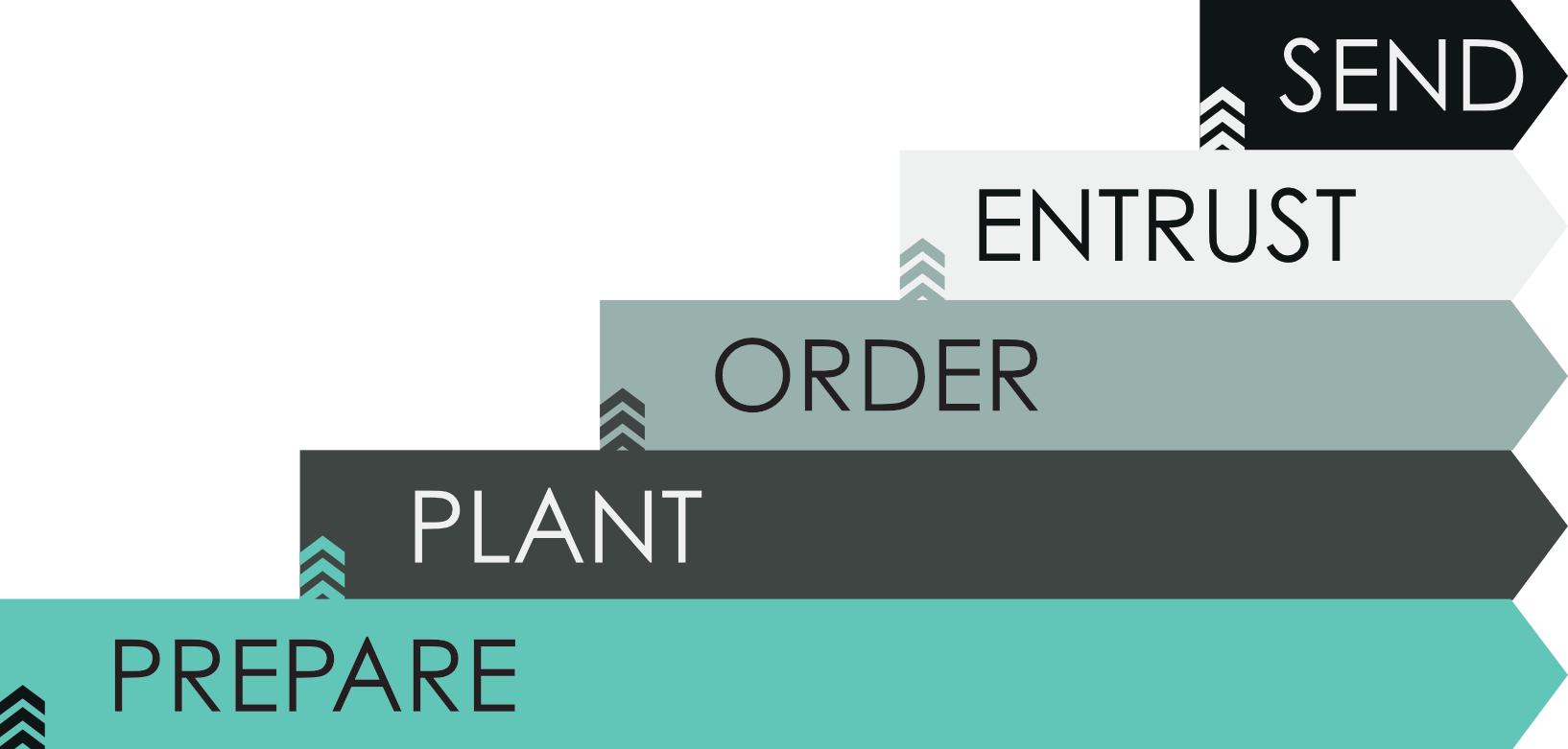
Together, these five building blocks build on one another to form the biblical definition of what Paul considered an established church—a community where the gospel has been planted, believers are being continually strengthened in the Word, leaders (lay & ordained) are formed, the church is gathered around the means of grace, and “harvest laborers” are raised up and sent into new places.
This framework serves both new ministries and existing congregations:
For new mission starts, these building blocks create a clear pathway for planting and forming a faithful Christian community from the ground up—mirroring the way Paul brought the gospel into new regions and gathered believers around the Word.
For existing churches, these building blocks provide a model for becoming stronger, healthier, and more engaged in Christ’s mission. Most congregations need some measure of re-establishing—fresh strengthening, renewed gathering, leadership development, or renewed sending capacity. Paul returned repeatedly to his churches for this very reason: even established communities needed ongoing formation and encouragement.
By following this Pauline pattern, Coastal Mission Society helps churches grow in health, clarity, and mission readiness. In these five building blocks you will find a framework that serves both the missionary work of planting new ministriesand the pastoral work of strengthening local churches. This pattern is not merely historical; it remains the biblical blueprint for establishing and multiplying faithful ministries throughout Coastal Southern California today.

BLOCK 1: PREPARE
Equipping leaders & churches.
Paul rarely entered a city without preparation. He trained teams (Acts 13), commissioned leaders (Acts 14), and built prayerful partnerships with sending churches (Philippians 4).
Coastal follows this same pattern by helping churches:
Discern opportunities and needs in their communities
Equip believers through practical, Word-centered training
Assess readiness for new ministry starts
Give existing churches the pathways, systems, and tools to equip the priesthood of all believers.
Establish a network of intercession and sending relationships
Form teams grounded in Scripture and Lutheran doctrine (the foundations of the Protestant Reformation)
Preparation strengthens the workers and churches to be sent into the mission fields that surround us right here in coastal Southern California.
BLOCK 2: PLANT
Intentional introduction of the Gospel.
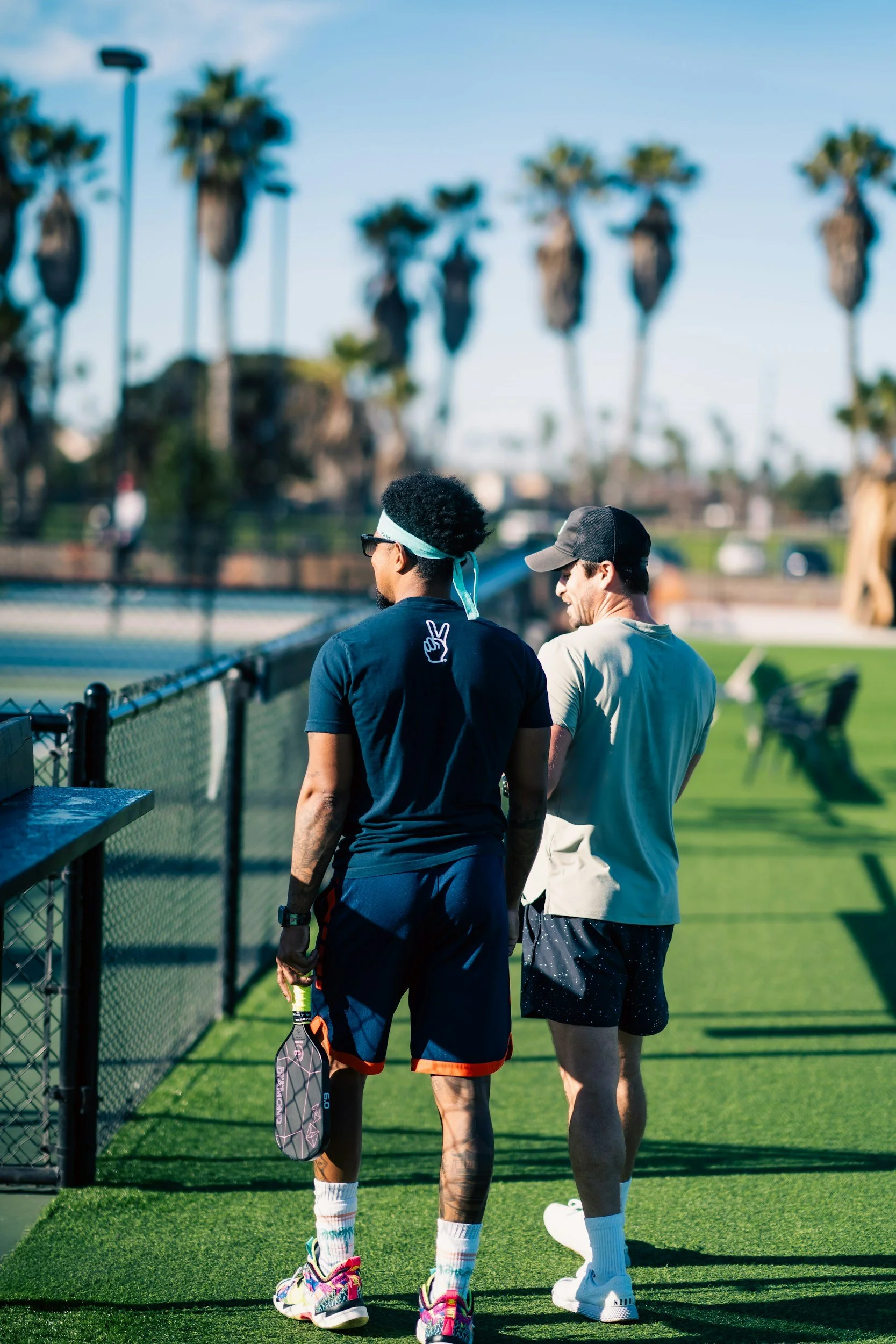
Paul’s planting work always began with proclamation—public, clear, and centered on Christ (Acts 17; Acts 19). Whether in synagogues, marketplaces, lecture halls, or homes, the planting moment was when the Word first entered a new community.
Coastal helps churches plant by:
Initiating Word-centered ministry in the “vocation spaces” where the people of God already live, labor, learn, and laugh.
Supporting leaders as they enter new relational spaces
Encouraging the first steps of witness, teaching, and presence
Providing tools for early proclamation and relational outreach
Helping give existing churches the tools and mindset to engage their communities effectively.
Planting is not about immediate structure—it is about proclaiming Christ where He is not yet known, which is just about everywhere we look in this region.
BLOCK 3: GATHER
Forming Community Around Christ
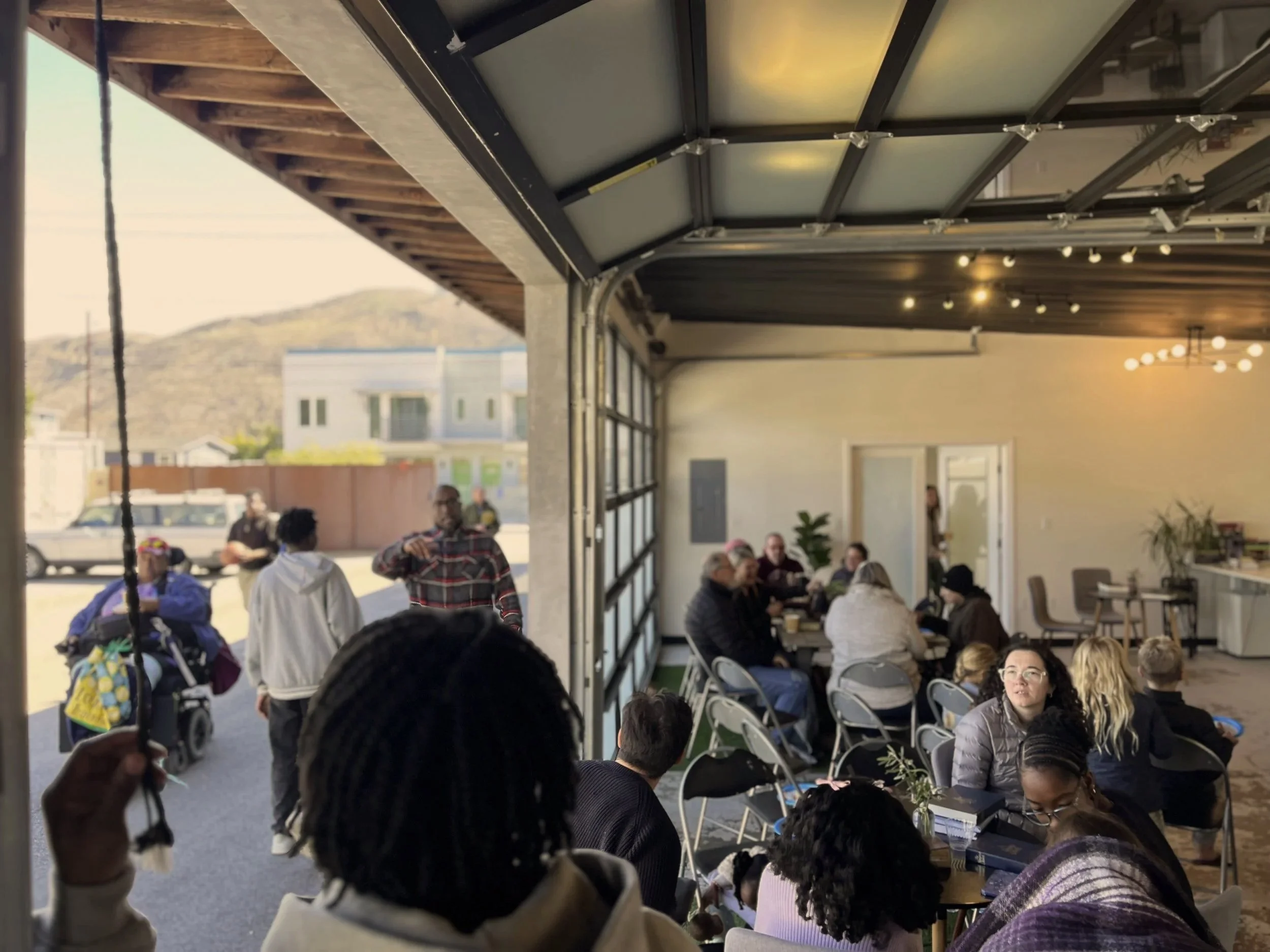
Wherever the gospel took root, Paul gathered believers and seekers into a fellowship shaped by Scripture, prayer, and mutual care (Acts 16:40; Acts 18:7; Acts 20:20).
Coastal helps churches gather people by:
Forming new mission bases in strategic neighborhoods
Establishing rhythms of Scripture, prayer, catechesis, and fellowship that form disciples in faith
Creating accessible environments for those exploring the faith
Beginning early patterns of pastoral care and discipleship
Helping order these communities toward self-governance, sustainable funding, ministry propagation, and mission-interdependence with other churches and missionary teams.
Gathering turns gospel planting into gospel community.

BLOCK 4: ENTRUST
Establishing Believers and Leaders
Paul spent the majority of his mission work strengthening what had been planted. He taught deeply (Acts 20:20–21), appointed leaders (Acts 14:23), and ensured that doctrine, order, and faithfulness were firmly established.
Coastal supports entrusting by:
Providing confessional training for local leaders in the Scriptures
Walking with missionary teams and leaders through the missionary —> local leader hand-off phase of planting new churches.
Developing lay leaders, catechists, and future pastors
Helping ministries form stable patterns of worship, catechesis, and service
Establishing healthy leadership structures rooted in biblical order
Supporting churches through assessments, coaching, and long-term guidance
Walking with new churches in their first pastoral call.
Entrusting is where the movement begins to multiply. Without it, ministries remain fragile. With it, they become stable and life-giving.

BLOCK 5: SEND
Expanding the Mission into New Fields
For Paul, an established church was always a sending church. Congregations in Antioch, Ephesus, Thessalonica, and Philippi became bases of further mission, deploying workers into new regions and partnering with other churches for broader reach.
Coastal supports sending by:
Helping churches identify, train, and commission new workers
Developing teams that can enter new neighborhoods and communities
Supporting ordination and licensure pathways
Encouraging multiplication of ministries, mission bases, and church plants
Building new localized networks and mission societies to reach various enclaves and people groups.
Networking churches and leaders across Coastal SoCal for shared mission
Strengthening partnerships across circuits and congregations
Sending is the expansion impulse built into every established church. It extends the gospel’s reach and multiplies the presence of Christ throughout Coastal Southern California.